


Factors Affecting Machined Mechanical Components
Machined components are an essential foundation in all mechanical manufacturing activities, from machinery production to modern industrial equipment. Thanks to the application of CNC, automation, and new technologies, machining processes now achieve high precision, cost optimization, and consistent product quality.
.jpg)
Classification of Machined Mechanical Components
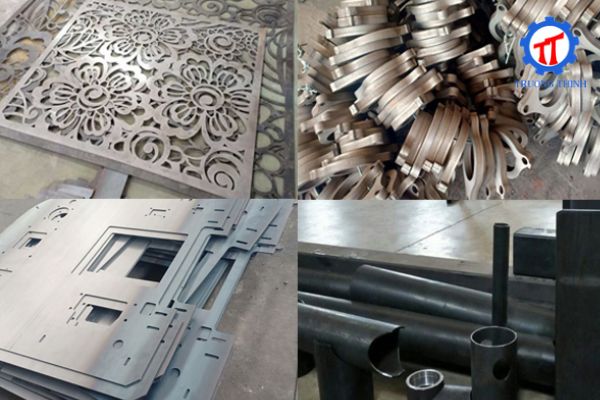
Machined components are typically divided into two main groups based on manufacturing methods: cutting machining and non-cutting machining. Each method has its own characteristics, suitable for different technical requirements and material types.
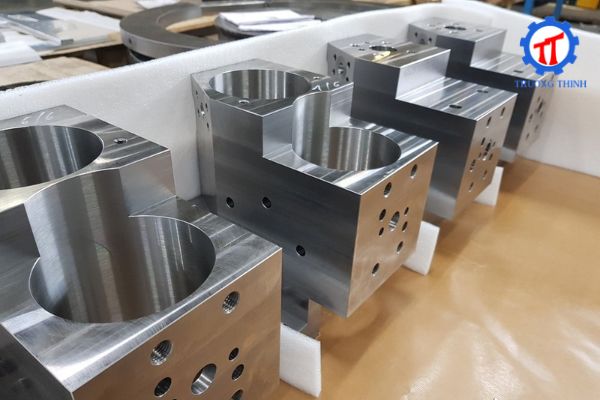
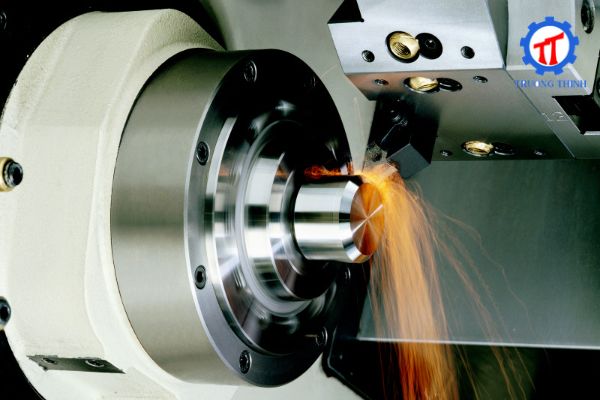
Cutting machining is a method that removes excess material from a workpiece to create precise shapes. Common techniques include turning, milling, drilling, boring, grinding, and CNC machining. This method enables products to achieve high precision, tight tolerances, and smooth surface finishes.
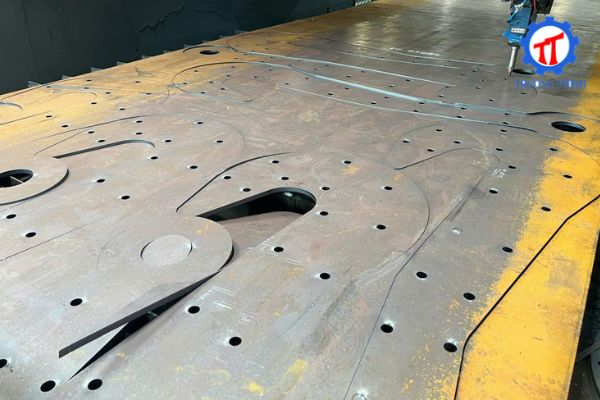
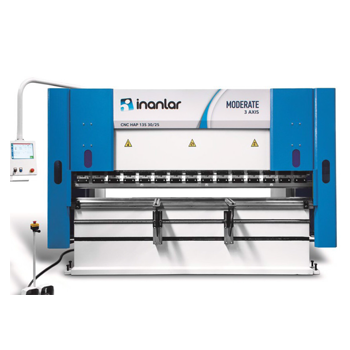
Non-cutting machining focuses on shaping materials using heat or force, such as casting, forging, pressing, welding, and bending. This method is suitable for mass production or components with complex shapes requiring high strength.
Standard Production Process for Quality Components
.jpg)
To ensure quality, machined components must follow a strict production process. Each step plays an important role in minimizing errors and improving efficiency.
The first step is studying the technical drawing. Engineers analyze dimensions, tolerances, materials, and surface requirements. A thorough understanding of the drawing helps in selecting appropriate machining methods and reducing production risks.
Next is material selection. Depending on the application, materials may include steel, aluminum, stainless steel, copper, or engineering plastics. Choosing the right material ensures load-bearing capacity, wear resistance, and extended product lifespan.
After that comes production planning, which involves determining the machining sequence, selecting machinery and cutting tools, and estimating processing time. A well-structured plan helps reduce costs and increase productivity.
The actual machining stage is the step that determines final accuracy. Operators must control cutting speed, feed rate, and depth of cut to ensure dimensions meet standards.
Finally, surface finishing and quality inspection are carried out using specialized measuring equipment to ensure the product meets requirements before assembly or shipment.
Factors Affecting Component Quality
.jpg)
Machined components are influenced by many factors during production. Without proper control, products may suffer dimensional inaccuracies or reduced durability.
Material is the first factor affecting machining efficiency. Each material has different hardness and heat resistance, requiring appropriate cutting parameters.
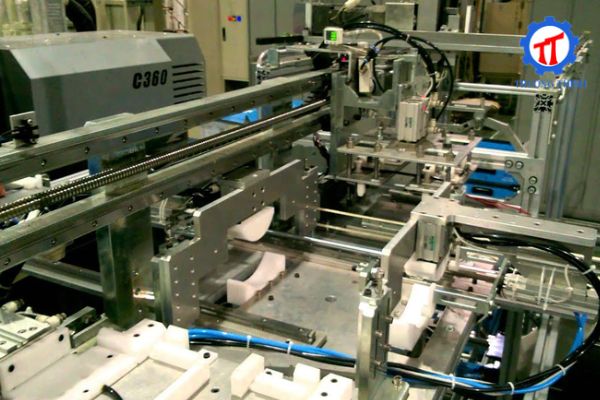
Machinery and technology also significantly impact precision. Modern CNC systems enable automated machining with extremely small tolerances, ensuring consistency in mass production.
Cutting tools must have high durability and wear resistance. Worn or low-quality tools reduce surface finish quality and increase production costs.
Additionally, the skill level of technicians and environmental conditions such as temperature and humidity directly affect final results.
See more:
https://cokhiphutrotruongthinh.com/gia-cong-co-khi-chinh-xac-tai-hai-phong-o-dau-bv.html
The Role of Machined Components in Modern Industry
Machined components are fundamental to many industrial sectors such as automotive, electronics, aerospace, and industrial equipment manufacturing. With high precision, businesses can produce synchronized products that operate stably and durably.
The integration of CNC technology, automation, and artificial intelligence is helping the mechanical industry increase productivity, reduce costs, and meet increasingly stringent technical standards. This opens strong development opportunities for businesses in the era of Industry 4.0.
Conclusion
Machined components play a central role in mechanical manufacturing, directly determining equipment quality and performance. Following standardized processes, selecting suitable materials, and applying modern technologies help businesses optimize costs, increase productivity, and produce durable, precise products. Investing properly in machining is investing in long-term development.
Truong Thinh Mechanical Information:
Hotline: Mr. Hung: 0936.988.978 – Mrs. Tam: 0904.488.455 – 0225.627.79.97
Workshop address: Area C, No. 57 km5, Lam San, So Dau Ward, Hong Bang District, Hai Phong
Website: http://cokhiphutrotruongthinh.com