


Mechanical Machining Technology - Details on the Machining Process
Mechanical machining technology plays a key role in the field of industrial manufacturing. The following article will help you better understand machining methods, implementation processes, and practical applications in modern production.
.jpg)
What is Mechanical Machining Technology?
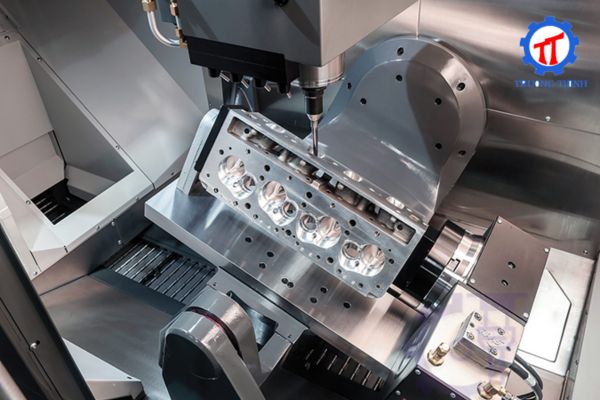
Mechanical machining technology is the process of using machines, tools, and physical principles to shape, cut, or transform materials into precise mechanical parts according to technical drawings. This process not only requires high precision but also involves careful calculations regarding materials, tools, and machining methods.
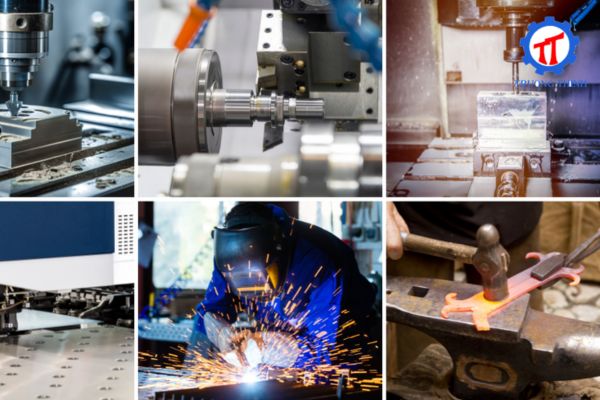
Mechanical engineers typically start with raw materials (metallic or non-metallic) shaped through processes such as casting, forging, stamping, or rolling. Then, the material undergoes various machining steps such as turning, milling, drilling, grinding… to achieve the final shape and dimensions.
Classification of Mechanical Machining Technology
.jpg)
Classifying mechanical machining technology helps determine the appropriate method to create accurate and efficient products while optimizing production processes and costs.
Based on Chip Formation
-
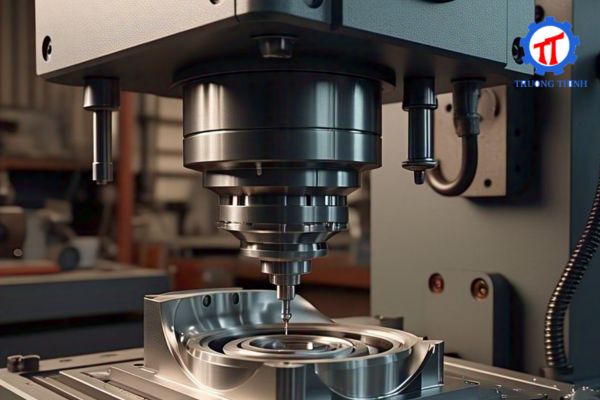
Chip-forming machining: The most common method, using cutting tools to remove excess material from the workpiece. Operations such as turning, milling, grinding, and drilling fall into this category. Advantages include high precision and suitability for products with strict technical requirements.
-
Non-chip machining: Uses pressure or heat to change the shape of the material without creating chips. Techniques include casting, welding, hot stamping, drawing... Typically used for parts that do not require high precision, helping to reduce production costs.
Based on Machining Accuracy
-
Rough machining: Removes most of the excess material from the workpiece. Low precision, mainly for shaping.
-
Finish machining: Performed after rough machining to improve surface finish and increase product accuracy.
-
Ultra-finish machining: Used in industries with extremely strict tolerances and super-smooth surface requirements, such as optics, medical, and aerospace.
See more: http://cokhiphutrotruongthinh.com/gia-cong-co-khi-tai-hai-phong-chat-luong-uy-tin-2025-bv.html
Mechanical Machining Technology Process
.jpg)
-
Analyze technical drawings: Mechanical engineers analyze details in the drawings, select materials, and determine machining methods.
-
Choose production method: Includes three forms—single-item production, batch production, and mass production—depending on quantity and product characteristics.
-
Select and create raw material: Based on drawings and technical requirements, choose appropriately sized materials to save on costs and machining time.
-
Machining process: Apply machining methods suited to each part such as CNC milling, turning, grinding, drilling... under the supervision of mechanical engineers.
-
Quality inspection: After machining, products are measured with specialized equipment such as calipers, micrometers, 2D measuring machines, surface roughness testers... to ensure they meet technical standards.
Applications of Mechanical Machining Technology
Modern mechanical machining technology is widely used in many fields such as:
-
Manufacturing industrial machines and automation equipment
-
Producing spare parts for cars, motorcycles, airplanes
-
Medical, aerospace, and optical industries
-
Mold manufacturing and electronic components
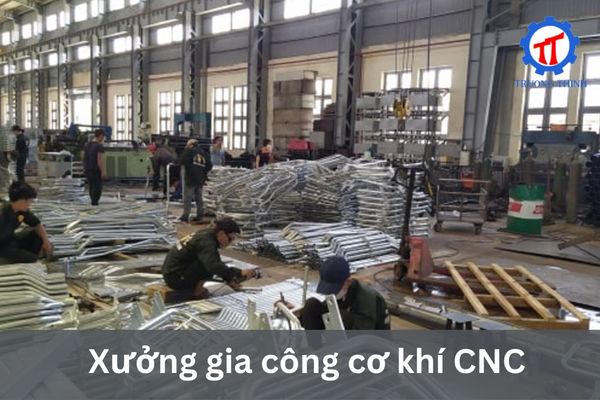
Truong Thinh Mechanical Company has invested in modern mechanical machining technology, with a closed process from material preparation to finished assembly.
Conclusion
Mechanical machining technology is not only the foundation of the manufacturing industry but also a deciding factor in the quality, durability, and precision of industrial products. With the rapid development of automation and digital technology, machining methods are becoming increasingly precise, efficient, and cost-effective. If you are looking for professional, modern, and internationally standardized machining solutions, choose a reputable company to ensure long-term investment efficiency.
Contact Information:
Hotline: Mr. Hung: 0936.988.978 – Mrs. Tam: 0904.488.455 – 0225.627.79.97
Production Workshop Address: Zone C, No. 57 km5, Lam San, So Dau Ward, Hong Bang District, Hai Phong
Website: http://cokhiphutrotruongthinh.com