


Precision Metal Stamping – Understanding Advantages and Materials
Precision metal stamping is an ideal solution for mass production, offering high accuracy and excellent cost efficiency. This machining method is widely chosen by many businesses in industries such as mechanical engineering, automotive, electronics, and construction due to its flexibility and diverse applications.

What is Precision Metal Stamping and Why is it Increasingly Popular?
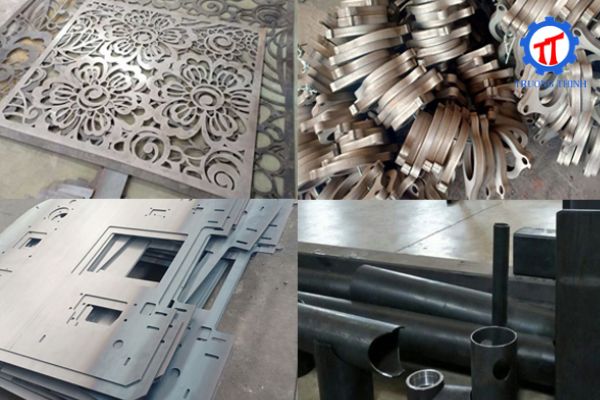
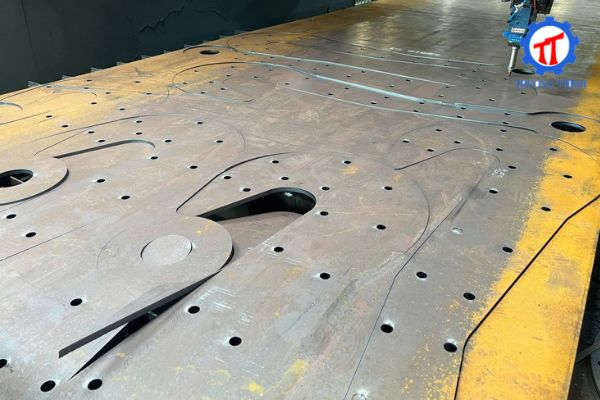
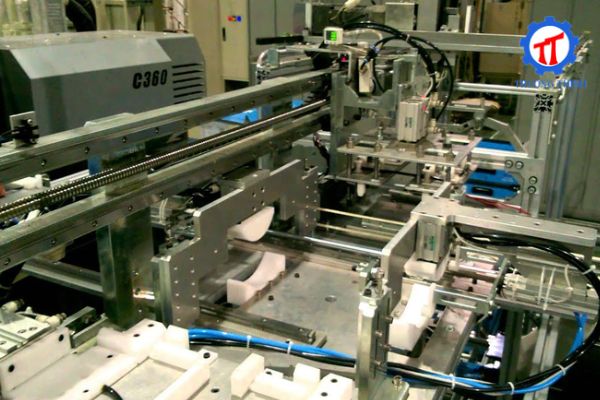
Precision metal stamping is a process that uses CNC punching machines to create holes, shapes, and detailed features on metal sheets. CNC punching machines operate automatically based on pre-programmed instructions, moving along X and Y axes to precisely position and shape the metal at required points.
The advancement of CNC technology has made the punching process more accurate, faster, and cost-effective. Compared to traditional machining methods, stamping can produce large quantities of identical products with minimal tolerance, making it highly suitable for mass production.
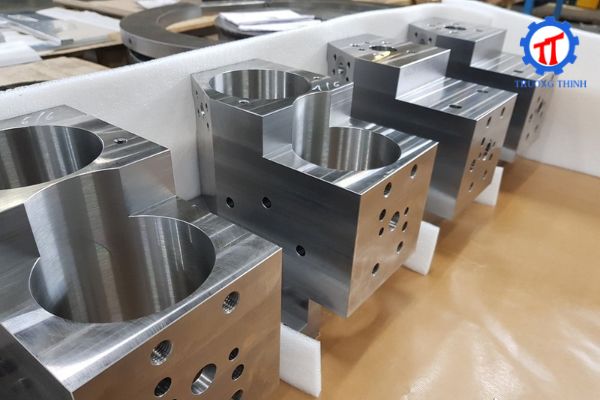
Beyond mechanical manufacturing, precision metal stamping has become an optimal solution in industries with strict requirements such as aerospace, electronics, and medical equipment thanks to its absolute quality control capability.
Materials and Practical Applications of Precision Metal Stamping

One outstanding advantage of this method is its capability to process a wide range of common metals, including:
-
Stainless Steel: Corrosion resistant, heat resistant, and highly durable.
-
Galvanized Steel: Effectively anti-rust, suitable for harsh environments.
-
Hot-rolled/Cold-rolled Steel: Diverse ductility and hardness levels depending on the intended use.
-
Aluminum: Lightweight, easy to shape, popular in construction and electronics.
-
Copper and Brass: Excellent electrical conductivity and high durability, often used in electronic components.
Real-world applications of precision metal stamping include:
-
Automotive Industry: Manufacturing components such as frames, car bodies, and load-bearing structures.
-
Aerospace Industry: Producing lightweight, high-precision aircraft parts.
-
Electronics Industry: Fabricating computer cases, circuit boards, and electronic device housings.
-
Medical Industry: Producing instruments like syringes and surgical blades with high precision.
-
Packaging Industry: Creating metal packaging products such as cans and containers.
-
Construction Industry: Fabricating steel frames, columns, and beams for factories and buildings.
-
Household Goods: Manufacturing pots, pans, knives, etc., requiring aesthetics and durability.
More information: http://cokhiphutrotruongthinh.com/co-so-gia-cong-co-khi-gia-re---co-khi-truong-thinh-bv.html
Outstanding Advantages of Precision Metal Stamping

Precision metal stamping is favored not only for its high production speed but also for several remarkable benefits:
Superior Cost Efficiency
Using stamping dies to produce large volumes of identical products reduces unit production costs, especially suitable for mass manufacturing.
Increased Productivity and Time Savings
A single punching cycle can create multiple holes or shapes simultaneously on metal surfaces, significantly shortening production time. CNC machines operate continuously with high precision and minimal human intervention.
Consistent Product Quality
All products are manufactured under automated programming, ensuring accuracy, uniformity, and fewer errors compared to manual processing. This minimizes defective products and waste.
High Aesthetic Value
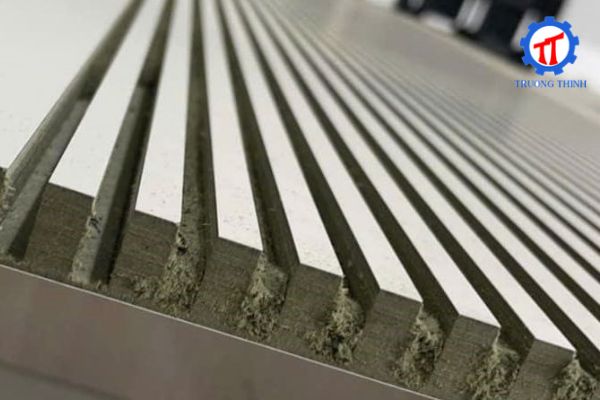
Stamped parts have sharp, neat shapes without burrs or deformation, enhancing the final product’s visual appeal.
Material Flexibility
From steel, aluminum, copper, brass to other special materials, stamping can efficiently process them while meeting technical standards.
Application of CNC Technology – Fully Automated
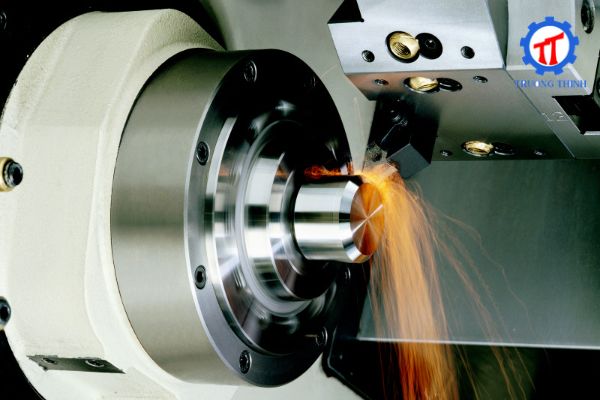
Modern machines with CNC control simplify the machining process, ensure precision, and easily program complex shapes.
Conclusion
Precision metal stamping is a smart, cost-effective, and flexible manufacturing solution that meets modern technical standards. If you are looking for a professional machining partner, choose one with modern CNC systems, extensive experience, and strict quality control processes.
Contact Information:
Hotline: Mr. Hưng: +84 936 988 978 – Mrs. Tâm: +84 904 488 455 – +84 225 627 7997
Production Facility Address: Zone C, No. 57 km5, Lam San, So Dau Ward, Hong Bang District, Hai Phong
Website: http://cokhiphutrotruongthinh.com