


What Is a CNC 3D Machine? Operating Principles from A to Z
CNC 3D machining is becoming a key solution in the woodworking and modern manufacturing industries. With flexible 5-axis motion technology, a three-spindle design, and an intelligent control system, the machine enables the creation of complex 3D products with high precision. This is an inevitable trend replacing traditional machining methods.
.jpg)
What Is CNC 3D Machining?
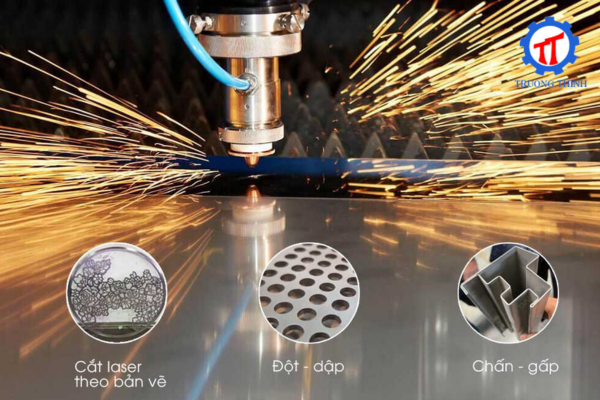
CNC 3D machining is a technology that uses computer-controlled machines to create three-dimensional products with high precision. Unlike conventional CNC machines that operate on three axes (X, Y, Z), modern 3D technology integrates additional rotary axes such as A and C, allowing surface processing at multiple angles.
For example, SEMAC’s 5-axis machine features movement in five directions and a three-spindle design that can operate flexibly and rotate continuously. This allows simultaneous machining of multiple details, reduces waiting time, and increases productivity.
Structure and Outstanding Features of the 5-Axis Machining Center
.jpg)
Flexible 5-Direction Motion System
The machine is equipped with X, Y, U, Z axes and A/C rotary axes, allowing the spindle to approach the workpiece at various tilt angles. As a result, it can process complex details such as wooden statues, raised 3D patterns, curved furniture, or intricate handicraft components.
Continuous rotary motion ensures smoother cutting, reduces burrs, and minimizes production errors.
Three-Spindle Design for Higher Efficiency
One of the standout advantages of CNC 3D machining is its three-spindle configuration, enabling quick tool changes and multiple processes within a single cycle. The main spindle has a 14kW capacity with automatic tool change capability and speeds of up to 24,000 rpm.
The integration of an additional 9.5kW auxiliary spindle enhances flexibility when machining various materials and profiles, optimizing the production process.
Worktable and Vacuum System
The machine uses two independent vacuum tables integrated with clamping cylinders and vacuum suction cups to firmly secure materials throughout the machining process. This design minimizes vibration, ensuring precision and operational safety.
See more:
https://cokhiphutrotruongthinh.com/cac-loai-hinh-gia-cong-co-khi-cnc-pho-bien-hien-nay-bv.html
Operating Principle of a CNC 3D Machine
(1).jpg)
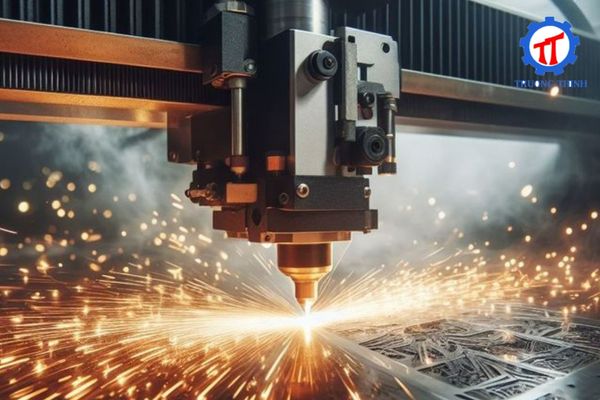
CNC 3D machining operates based on the principle of controlling spindle movement through numerical programming systems. Materials are fixed on the worktable while the spindle moves along pre-programmed paths to cut, engrave, or shape the product.
The spindle moves along the X, Y, Z axes combined with A and C rotary axes, enabling the cutting tool to approach surfaces from multiple angles. As a result, finished products have high uniformity, seamless details, and superior aesthetics.
Its flexible processing capability allows the machine to produce everything from high-end furniture to complex decorative art components.
Software and Compatibility
CNC 3D machining uses dedicated control software supplied with the machine to set up product machining programs. The user-friendly interface makes it easy for operators to manage and monitor processes.
In addition, the machine can import files exported from popular 3D design software such as CAD 3D, SolidWorks, or Inventor. After exporting, the data is transferred to the control system to perform machining accurately according to the design drawings.
Multi-software compatibility provides businesses with greater flexibility in both design and production stages.
Components and Operational Durability
Component quality directly determines machine performance and lifespan. Modern 5-axis machines use genuine imported components to ensure high synchronization and reliability.
The Yaskawa servo system from Japan ensures smooth and precise motion. The OSAI controller from Italy delivers fast data processing, stable operation, and minimal errors. This combination creates a durable system suitable for continuous industrial production environments.
Conclusion
CNC 3D machining represents a major advancement in modern manufacturing, especially with flexible 5-axis movement and a three-spindle design. This technology not only improves precision but also optimizes productivity and reduces long-term costs. Investing in a CNC 3D system is a strategic solution for sustainable business growth.
Truong Thinh Mechanical Information:
Hotline: Mr. Hung: 0936.988.978 – Mrs. Tam: 0904.488.455 – 0225.627.79.97
Workshop Address: Area C, No. 57 Km5, Lam San, So Dau Ward, Hong Bang District, Hai Phong, Vietnam
Website: http://cokhiphutrotruongthinh.com