


Custom Mechanical Machining – CNC, Laser and Modern Welding for Diverse Applications
Custom mechanical machining helps businesses proactively manufacture machine components, steel structures, and equipment according to specific technical requirements. From the initial drawings, materials are selected and processed using suitable technologies to create finished products. A professional process also helps control quality, production schedules, and costs more effectively.
.jpg)
What Is Mechanical Machining?
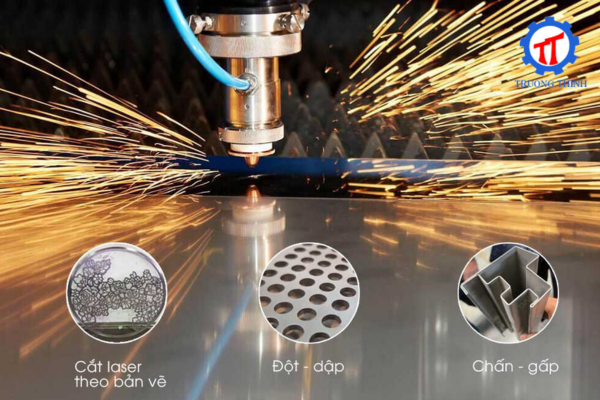
Mechanical machining is the process of using machinery, equipment, and technical methods to transform raw materials into components or products that meet design requirements. Depending on the characteristics of the product, the process may include cutting, turning, milling, drilling, bending, welding, grinding, or surface treatment.
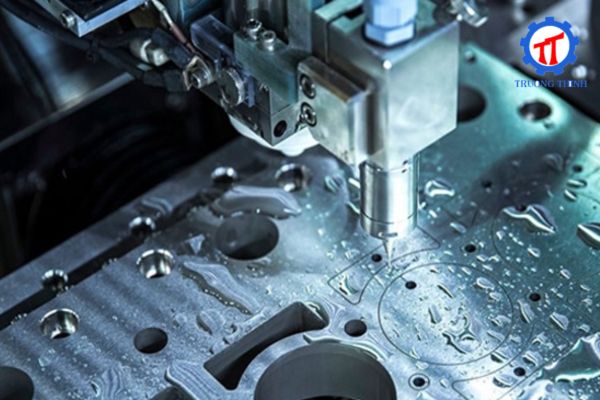
In modern manufacturing, machining is no longer limited to traditional manual methods but increasingly incorporates CNC and automated control systems. This helps control dimensions, improve repeatability, and meet the technical requirements of products with high precision.
In particular, combining CAD drawing data with CAM technology allows engineers to develop suitable toolpaths before transferring the program to the machine. As a result, many potential risks during production can be identified and adjusted at an early stage.
Common Mechanical Machining Products
.jpg)
Mechanical machining can be applied to various product categories in factories, production facilities, and industrial projects. The appropriate technology is selected based on the product's shape, material, quantity, and intended application.
Custom Machining of Machine Components
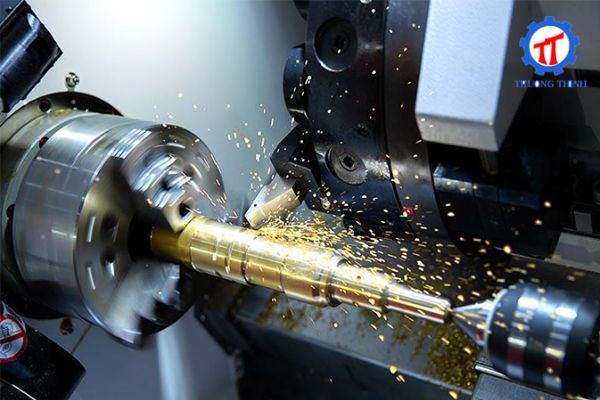
Custom mechanical machining is commonly used to manufacture shafts, bushings, pins, gears, couplings, flanges, and many other machine components. These products can be manufactured from steel, stainless steel, aluminum, copper, or other materials suitable for specific operating conditions.
For components requiring high precision, CNC lathes and CNC milling machines provide more stable dimensional control. Technical drawings serve as the basis for determining dimensions, tolerances, materials, and finishing requirements.
Manufacturing Machine Frames and Mechanical Structures
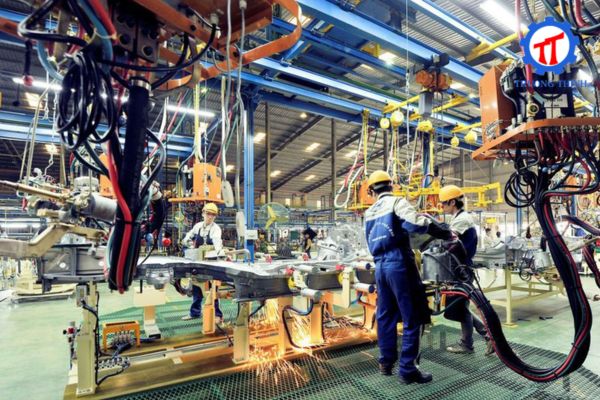
Machining is also widely applied in the manufacturing of machine frames, supports, machine bases, workbenches, and structures used in production lines. These products typically undergo several processes such as material cutting, drilling, bending, welding, and surface treatment.
For load-bearing structures, technicians need to pay particular attention to dimensions, weld positions, and the overall squareness of the product. Thorough inspection before delivery helps ensure stable operation and facilitates installation.
Detailed Mechanical Machining Process
Custom mechanical machining should be carried out according to a clear sequence to minimize errors and effectively control costs. A suitable machining process generally begins with the customer's requirements and ends with inspection before delivery.
Requirement Analysis and Production Preparation
The process begins by receiving 2D drawings, 3D drawings, or technical specifications from the customer. Engineers evaluate the structure, material, tolerances, and quantity to select an appropriate machining method.
Next, the workshop prepares raw materials, cutting tools, fixtures, and measuring equipment. For CNC products, the machining program can be simulated in advance to minimize the risk of collisions or incorrect toolpaths. A professional CNC operation process also focuses on machine inspection, workpiece fixturing, coordinate setting, and trial runs before mass production.
Machining and Quality Control
Mechanical machining is carried out according to the production plan once all parameters have been confirmed. Depending on the product, the process may involve multiple consecutive operations to achieve the required dimensions and surface conditions.
After machining, products are measured and inspected using appropriate equipment such as calipers, micrometers, bore gauges, or specialized measuring instruments. Inspection helps identify deviations before products are assembled, packaged, and delivered.
Criteria for Choosing a Mechanical Machining Service Provider
.jpg)
Custom mechanical machining depends not only on machinery but also on technical capabilities and appropriate management processes. Businesses should evaluate machining providers based on multiple factors before deciding to cooperate.
Machinery and Production Capacity
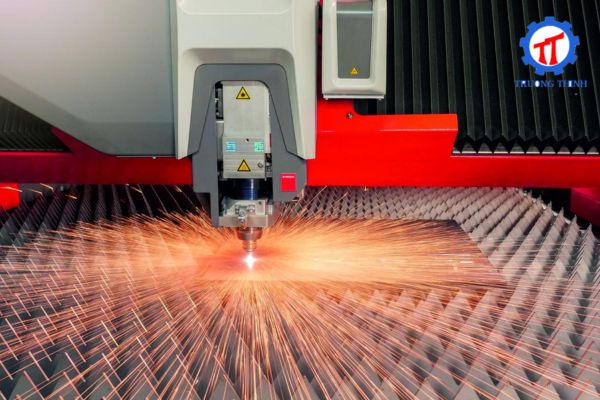
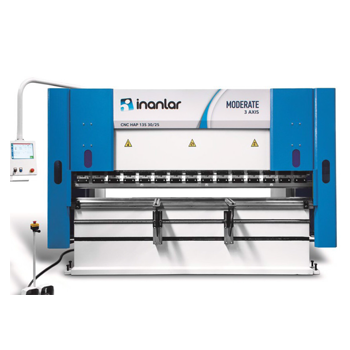
Machining with modern equipment improves the ability to handle orders with diverse technical requirements. A workshop equipped with CNC turning, CNC milling, laser cutting, bending machines, and synchronized inspection equipment can be more proactive throughout the production process.
In addition to equipment, the experience of the technical team also plays an important role. Engineers need to be capable of reading technical drawings, selecting appropriate machining technologies, and resolving issues that arise during production.
Quality, Delivery Schedule, and Consulting Capability
Custom mechanical machining must ensure that products are manufactured according to technical drawings and delivered within the agreed timeframe. A professional machining provider should have a clear inspection process and be capable of advising customers on suitable materials and machining methods.
Consultation from the beginning also helps businesses avoid designs that are difficult to manufacture or unnecessary additional costs. This factor is particularly important for batch production orders or components with complex structures.
Truong Thinh Mechanical Engineering – Custom Mechanical Machining Services
Mechanical machining at Truong Thinh Mechanical Engineering is carried out by combining technical expertise, modern machinery, and production processes tailored to each order. The company provides machining services for various products, including machine components, mechanical structures, and metal products manufactured according to technical drawings.
The company focuses on analyzing requirements before production to select an appropriate solution based on materials, dimensions, and quantities. This helps ensure stable machining, minimize errors, and effectively control costs.
The technical team can support customers throughout the process, from receiving drawings and providing technical consultation to machining and final product inspection. With a focus on quality and delivery schedules, Truong Thinh aims to provide suitable solutions for different real-world manufacturing requirements.
Learn more: https://cokhiphutrotruongthinh.com/dich-vu-t.html
Conclusion
Custom mechanical machining helps businesses proactively manufacture machine components, structures, and equipment according to technical requirements. Truong Thinh Mechanical Engineering provides diverse solutions combining CNC technology with an experienced technical team. Strict quality control processes help ensure products achieve precision, durability, timely delivery, and optimized costs.
Truong Thinh Mechanical Engineering Information
-
Hotline: Mr. Hung: 0936.988.978 – Mrs. Tam: 0904.488.455 – 0225.627.79.97
-
Factory Address: Area C, No. 57 Km5, Lam San, So Dau Ward, Hong Bang District, Hai Phong, Vietnam
-
Website: http://cokhiphutrotruongthinh.com