


The most common mechanical machining methods today
Mechanical machining methods play a foundational role in the manufacturing industry, enabling the production of components and products with high precision, stability, and strict technical compliance. From manual processes in the past, the mechanical industry has rapidly advanced thanks to modern machinery and advanced technologies. Understanding machining methods helps businesses select optimal, efficient, and sustainable production solutions.
.jpg)
What is mechanical machining?
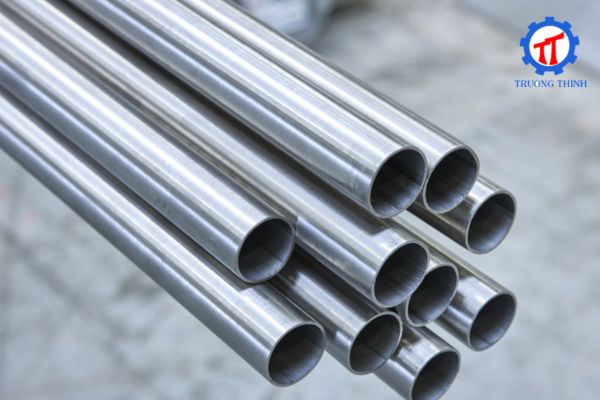
Mechanical machining methods refer to a set of techniques and processes that use machinery, technology, and skilled engineers to shape materials—primarily metals—according to technical drawings.
In modern manufacturing, mechanical machining directly determines product accuracy, assembly capability, and service life. From machine components and molds to mechanical structures, all require standardized machining. With machine support, labor productivity increases significantly, production time is reduced, and human errors are minimized.
Mechanical machining methods
.jpg)
Mechanical machining methods without material removal and their applications
Mechanical machining methods without material removal involve shaping products without cutting away material.
Typical methods include casting, forging, hot stamping, cold stamping, and rolling. Products from these methods are usually rough blanks with basic shapes but low surface finish and accuracy. Non-cutting machining is suitable for large-scale production, material savings, and serves as preparation for subsequent finishing processes.
Cutting machining methods and their key role in manufacturing
Mechanical machining methods involving cutting—also known as material removal machining—remove excess material to achieve desired dimensions and shapes.
Turning, milling, drilling, boring, and grinding are widely used cutting processes. Finished products achieve high precision, smooth surfaces, and meet strict tolerance requirements. This is a critical stage in machine manufacturing, especially for high-precision components.
Modern mechanical machining methods using advanced technology
Mechanical machining methods using CNC technology enable automated production with high repeatability and stability. In addition, advanced techniques such as electrical discharge machining (EDM), laser cutting, and ultrasonic machining allow the processing of complex parts that traditional methods struggle to achieve. However, high investment costs limit widespread adoption across all workshops.
Common machining methods in real production workshops
Mechanical machining methods in practice often involve flexible combinations of multiple techniques.
-
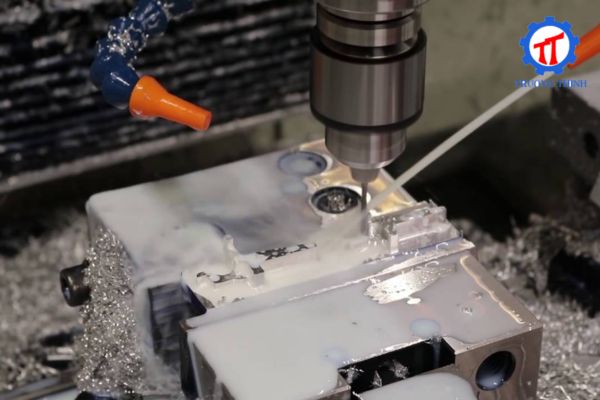
Milling is commonly used to create flat surfaces, steps, slots, and complex geometries. This method offers high productivity, time efficiency, and suitability for a wide range of components.
-
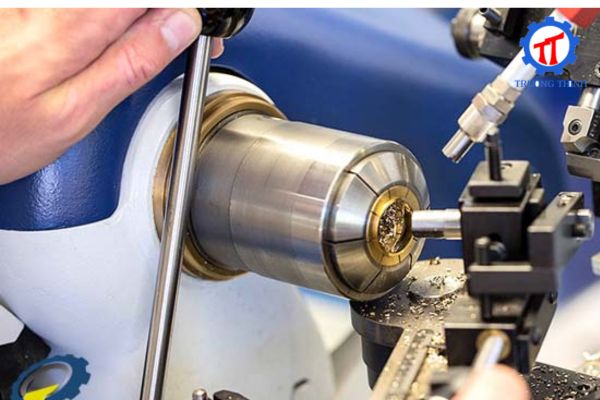
Turning is the most common metal cutting method. Through the combination of workpiece rotation and tool feed motion, turning produces rotational parts such as shafts, bushings, and threads with high precision.
Mechanical machining methods: bending, stamping, and precision wire cutting
Mechanical machining methods such as bending, stamping, and wire cutting are widely applied in industrial production.
-
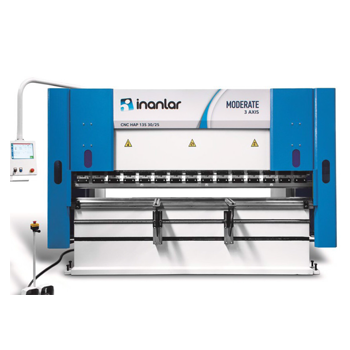
Modern bending and stamping machines enable the creation of complex shapes with high accuracy, stable productivity, and excellent repeatability.
-
Molybdenum wire cutting offers near-absolute precision and is ideal for molds and components requiring extremely tight tolerances.
See more: Mechanical Machining Machines – Common Types Used Today
Professional and reputable mechanical machining location
.jpg)
Mechanical machining methods are effectively implemented at Truong Thinh Mechanical. The workshop is equipped with a spacious factory system and modern machinery including lathes, milling machines, drilling machines, and CNC equipment, meeting diverse requirements for high-precision custom machining.
With an experienced technical team, Truong Thinh commits to stable quality, on-time delivery, and reasonable costs for every order, becoming a trusted partner for many businesses inside and outside the region.
Conclusion
Mechanical machining methods form the core foundation of the manufacturing industry, directly impacting product quality and production efficiency. Understanding each method—from traditional to modern—helps businesses choose solutions that fit their technical needs and budgets. Investing in advanced machining technologies and standardized processes is the key to enhancing competitiveness and achieving long-term sustainable growth.
Truong Thinh Mechanical Information:
Hotline:
Mr. Hung: 0936 988 978
Mrs. Tam: 0904 488 455
0225 627 79 97
Factory Address: Zone C, No. 57, Km5 Lam San, So Dau Ward, Hong Bang District, Hai Phong, Vietnam
Website: http://cokhiphutrotruongthinh.com