


What are mechanical machining machines? Commonly used types
Mechanical machining machines play a crucial role in the development of the manufacturing industry, from single-piece production to large-scale mass manufacturing. With the support of modern technology, businesses can machine metal materials with high precision, excellent stability, and outstanding economic efficiency. The following article will help you better understand these types of machining machines.
.jpg)
What are mechanical machining machines?
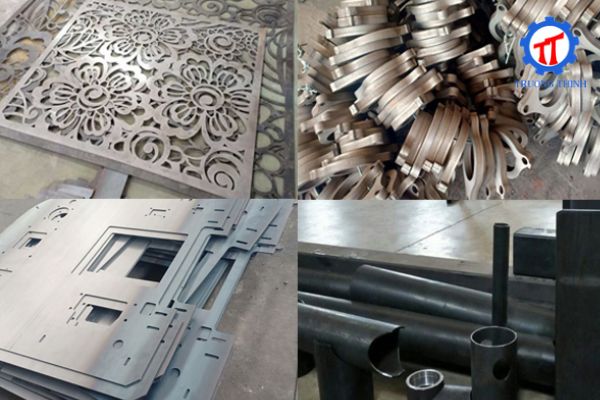
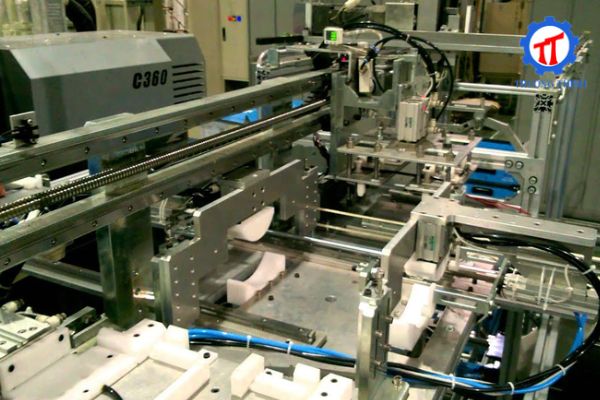
Mechanical machining machines are specialized equipment used to cut, shape, and finish materials—primarily metals—according to pre-designed technical drawings. These machines operate based on mechanical principles combined with electric, hydraulic, or pneumatic transmission systems to generate precise motion and cutting force, meeting strict tolerance requirements in industrial production.
They serve as a fundamental element throughout the manufacturing chain, from producing small components to complex machine structures. Thanks to their high accuracy and stable machining capability, businesses can effectively control product quality, reduce errors, and improve overall productivity.
Manufacturing and operation process of mechanical machining machines
.jpg)
Technical design stage: Mechanical machining machines are developed starting from the design phase, where engineers create detailed drawings of the machine structure, dimensions, transmission mechanisms, and operating principles.
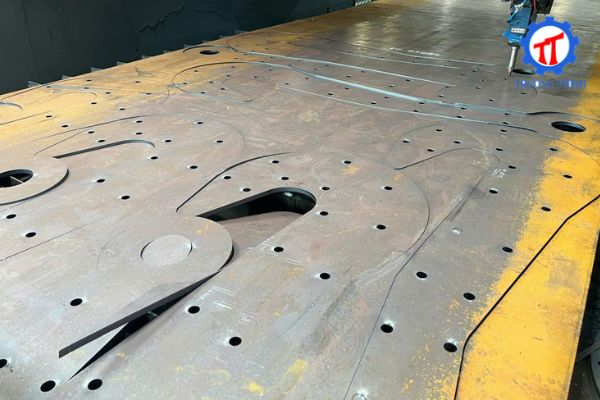
Material selection and component machining: Materials must have high durability, load-bearing capacity, and wear resistance. The components are then machined using methods such as turning, milling, drilling, grinding, and welding in accordance with technical standards.
Assembly and operational testing: After completion, the machines are assembled, calibrated, and test-run to ensure accuracy, stability, and safety before being put into actual operation.
Classification of commonly used mechanical machining machines
Traditional mechanical machines
Traditional mechanical machining machines are usually operated manually or semi-automatically, making them suitable for small workshops, single-piece machining, or mechanical repair work. Their main advantages are low investment costs and ease of operation.
Modern CNC machining machines
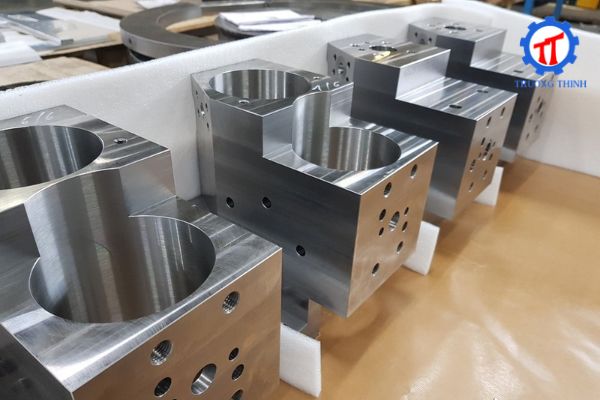
CNC machining machines use computer numerical control systems, allowing a high level of automation, superior precision, and stable mass production capability. This is the dominant trend in modern manufacturing plants.
See more:
http://cokhiphutrotruongthinh.com/don-vi-gia-cong-co-khi-cnc-chinh-xac-uy-tin-100-bv.html
Typical CNC mechanical machining machines
.jpg)
CNC lathes
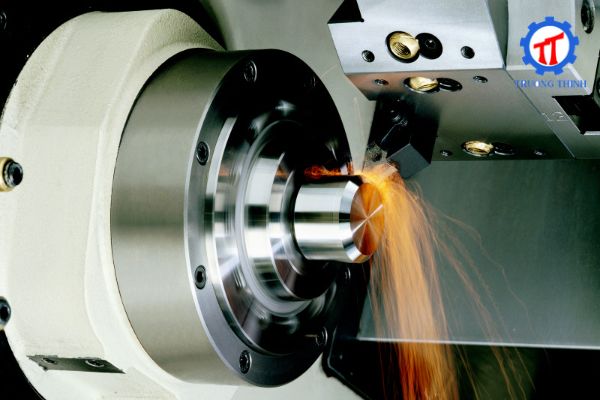
CNC mechanical machining lathes specialize in producing rotational parts such as shafts, bushings, and threads with high precision and smooth surface finishes.
CNC milling machines
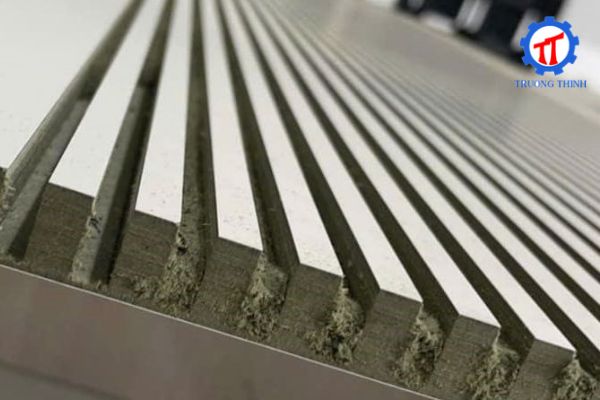
These machines are used to machine slots, flat surfaces, molds, and complex-shaped components in the machinery manufacturing industry.
CNC cutting, drilling, and grinding machines
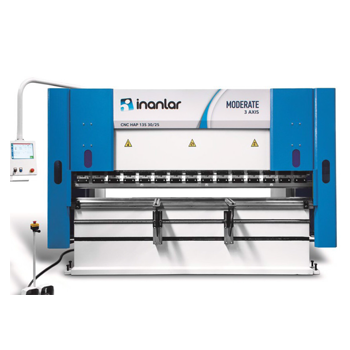
This group also includes laser cutting machines, plasma cutting machines, waterjet cutters, CNC drilling machines, and CNC grinding machines, meeting diverse needs from rough machining to surface finishing.
Benefits of investing in mechanical machining machines
Improved productivity and quality:
Mechanical machining machines help shorten production time, reduce waste, and ensure consistent product quality.
Cost optimization and enhanced competitiveness:
Modern machining machines enable businesses to optimize labor costs, improve operational efficiency, and gain stronger competitive advantages in the market.
Conclusion
Mechanical machining machines are the core foundation that enables the manufacturing industry to achieve high precision, efficiency, and long-term sustainability. Understanding the concepts, classifications, and applications of each machine type helps businesses choose solutions that match their production needs. Investing in modern machining technology is the key to enhancing competitiveness and achieving sustainable development in the future.
Trường Thịnh Mechanical Engineering – Contact Information
Hotline:
Mr. Hưng: +84 936 988 978
Mrs. Tâm: +84 904 488 455
Tel: +84 225 627 7997
Factory address: Zone C, No. 57, Km5, Lam San Area, So Dau Ward, Hong Bang District, Hai Phong, Vietnam
Website: http://cokhiphutrotruongthinh.com