


What is Mechanical Processing? Step-by-step Detailed Process
What is mechanical processing? It is a critical field in manufacturing, enabling the creation of high-precision metal products. Read on to better understand the role and applications of mechanical processing.
.jpg)
What is Mechanical Processing?
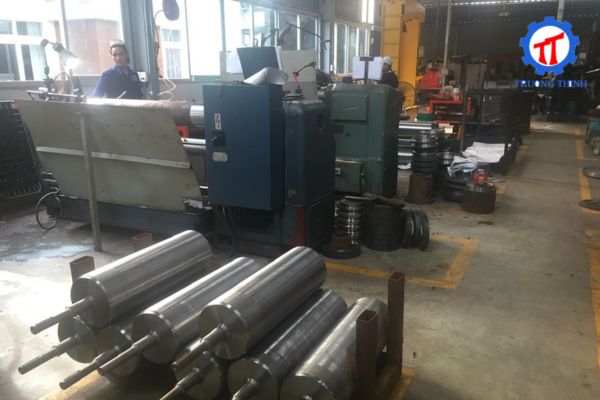
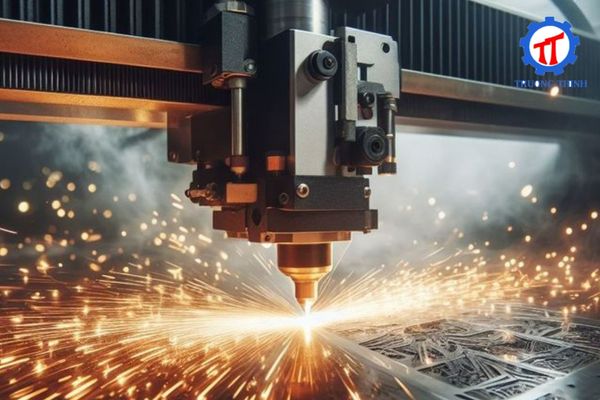
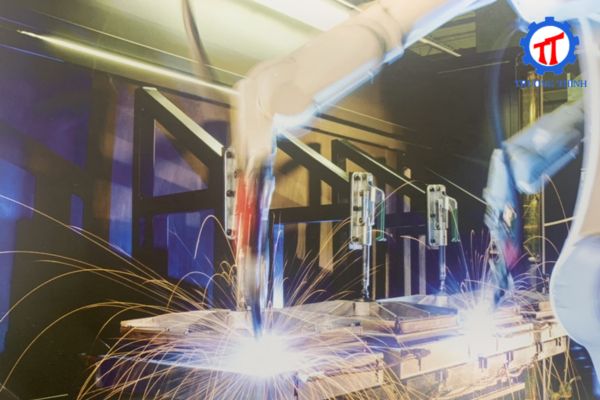
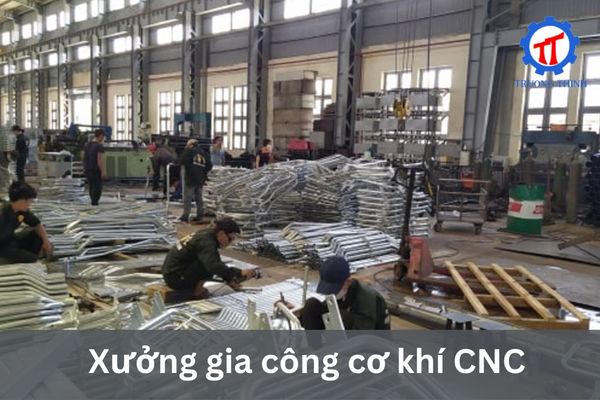
Mechanical processing involves using tools, machinery, or technology to cut, shape, weld, or mold metal materials into products that meet specific design, size, and functional requirements. As a cornerstone of the industry, it plays an essential role in producing components, machinery, and equipment.
Mechanical Processing Steps
.jpg)
What is the mechanical processing procedure? At Trường Thịnh Mechanical Company, the process is systematically carried out as follows:
Material Preparation
The process begins with selecting and preparing the appropriate materials. Common materials include:
-
Stainless steel
-
Aluminum
-
Copper
-
Special alloys
Planning the Processing
Engineers and mechanics draft technical drawings, calculate dimensions, precision levels, and other parameters to ensure the product meets the required specifications.
Performing the Processing
Common mechanical processing methods include:
-
Turning: Using a lathe to cut and shape materials into round forms.
-
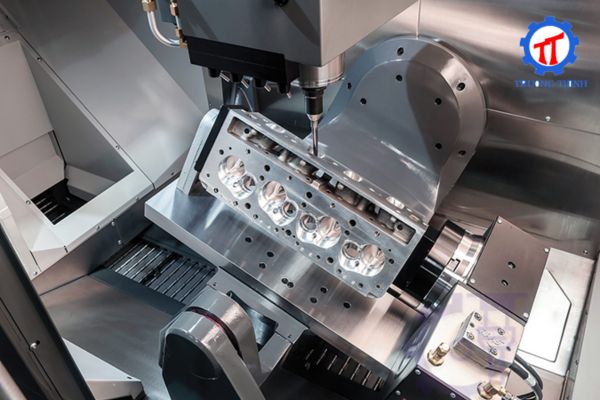
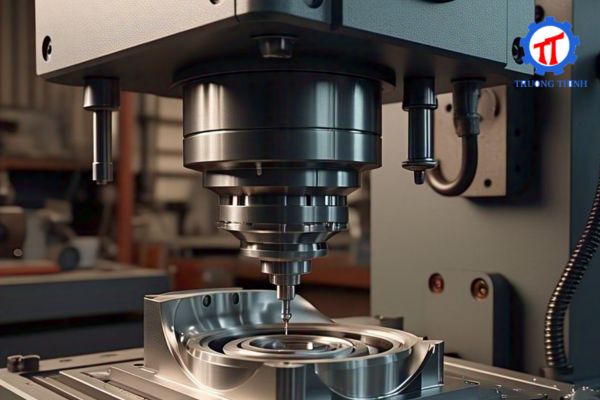
Milling: Using a milling machine to cut flat surfaces or create complex shapes.
-
Grinding: Achieving smooth surfaces with high precision.
-
CNC Machining: Applying advanced numerical control technology for absolute accuracy.
Inspection and Product Finishing
After processing, the product is inspected for quality, ensuring it meets size and technical standards before delivery to the customer.
Advantages of Mechanical Processing
.jpg)
What are the advantages of mechanical processing? They include:
-
High Precision: Modern mechanical processing ensures products meet strict customer requirements with absolute precision.
-
Flexibility: Easily adjusts designs and produces custom products.
-
Cost Savings: Mass production in mechanical processing optimizes production costs.
Practical Applications of Mechanical Processing
-
In the Automotive Industry: Manufacturing engine components, vehicle frames, and other technical parts.
-
In Electronics: Processing micro-mechanical parts for electronic devices.
-
In Construction: Producing structural details such as beams, columns, and mechanical accessories.
-
In the Food Industry: Manufacturing processing equipment like grinders and presses.
Conclusion
What is mechanical processing? It is the foundation of modern manufacturing, enabling the creation of high-quality products that meet the diverse needs of various industries. With standardized processes, advanced technology, and broad applications, mechanical processing continues to assert its essential role in global economic development.
If you want to learn more or seek consultation on mechanical processing services, contact the experts today for the best support!
Contact Information of Trường Thịnh Mechanical:
-
Hotline: Mr. Hưng: 0936.988.978 – Mrs. Tâm: 0904.488.455 – 0225.627.7997
-
Production Workshop Address: Zone C, No. 57 km5, Lâm Sản, P. Sở Dầu, Q. Hồng Bàng
-
Website: Trường Thịnh Mechanical