


What Is Precision Mechanical Engineering? Applications in Manufacturing
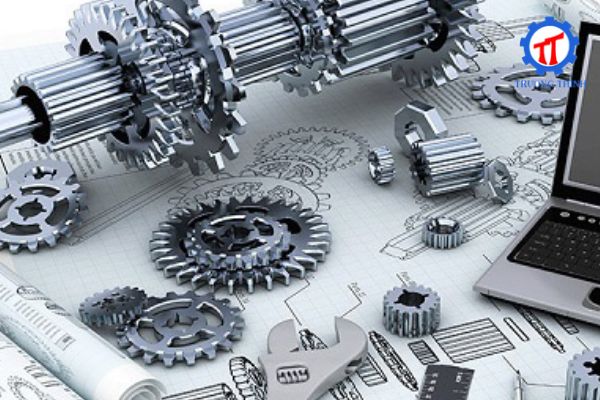
Precision mechanical engineering plays an important role in industrial manufacturing, especially in the production of components that require high accuracy in dimensions, shapes, and technical specifications. With the application of CNC technology and modern machinery systems, this field enables businesses to manufacture consistent components that meet assembly and operational requirements across various industries.
Popular Precision Machining Technologies Today
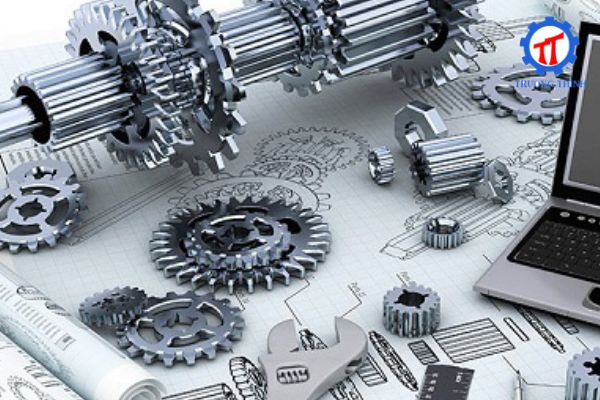
The development of machinery and automation technology has introduced various machining methods. Depending on the material, structure, and technical requirements, manufacturers select the most suitable technology to achieve the desired results.
CNC Machining
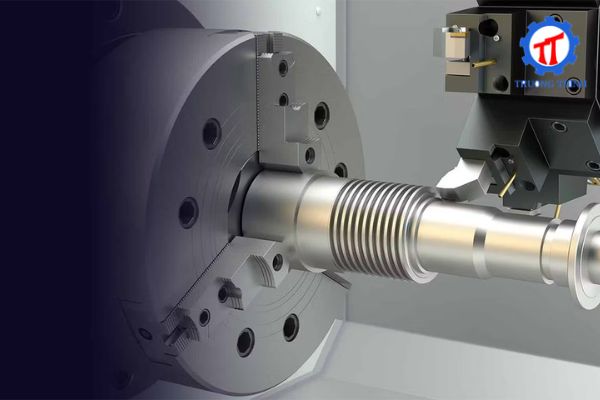
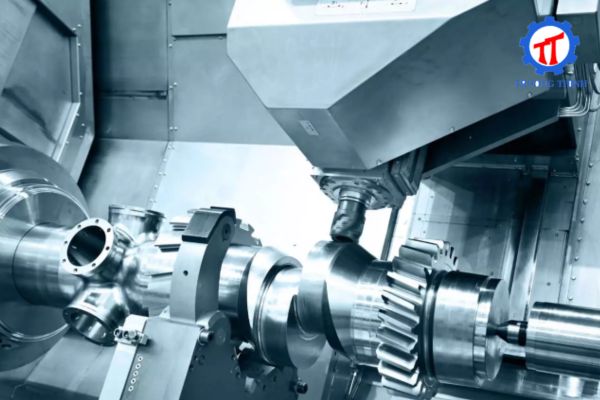
CNC machining is a manufacturing method that uses computer-controlled systems to operate metal-cutting equipment. Machines can perform operations such as drilling, milling, turning, and shaping according to pre-programmed instructions.
The main advantage of this technology is its ability to maintain stable machining quality, minimize errors caused by manual operations, and ensure consistency across products. It is also an ideal solution for manufacturing components with complex geometries or tight tolerance requirements.
CNC Milling and Turning
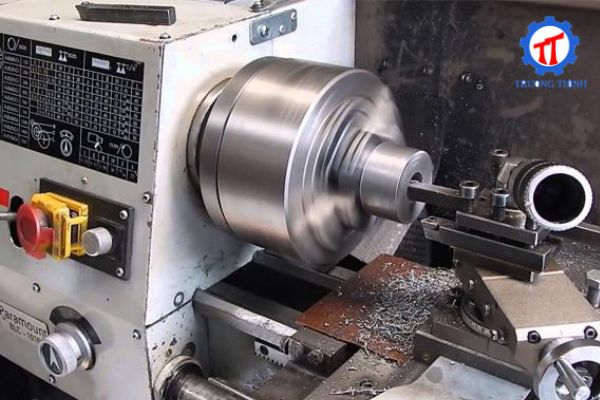
CNC milling is commonly used to create flat surfaces, grooves, holes, and specially shaped surfaces on metal workpieces. Meanwhile, CNC turning is suitable for cylindrical components, shafts, bushings, and other products with rotationally symmetrical shapes.
These two methods can be combined within the same manufacturing process to produce finished components according to technical drawings. Selecting the appropriate precision machining method helps save time, reduce material waste, and improve finished product quality.
CNC Laser Cutting
CNC laser cutting uses a high-energy laser beam to cut materials along programmed cutting paths. This technology is suitable for various metals, including stainless steel, steel, iron, and aluminum.
Its outstanding advantages include producing clean cutting edges, processing components with complex contours, and reducing the need for additional machining. Laser cutting is commonly applied in manufacturing machine enclosures, electrical cabinets, sheet metal components, and decorative products.
Metal Bending and Welding
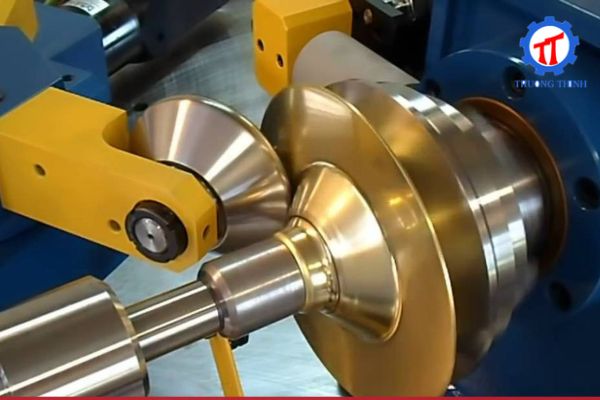
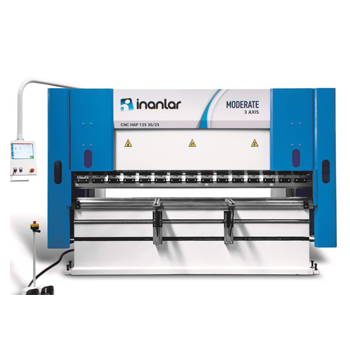
In addition to cutting operations, metal bending is an important precision machining process used to shape metal sheets according to required angles and dimensions. CNC press brake technology helps control bending forces, minimize unwanted deformation, and ensure consistency across products.
For products consisting of multiple components, welding is used to join individual parts into a complete assembly. Weld quality must be carefully inspected to ensure durability and load-bearing capacity during operation.
-> Learn more: https://cokhiphutrotruongthinh.com/dich-vu-t.html
Which Industries Use Precision Mechanical Engineering?
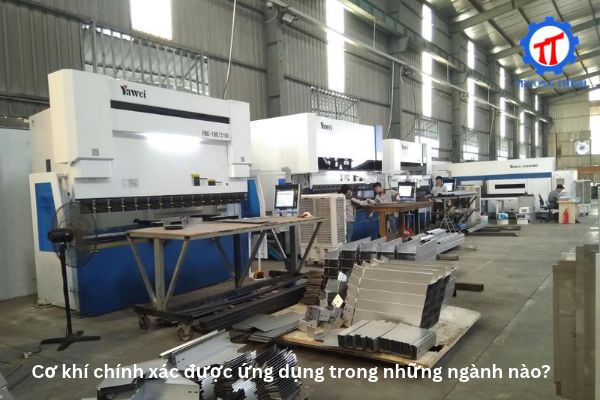
Thanks to its ability to manufacture a wide range of custom components, this field is widely applied across industrial manufacturing activities. Each industry has its own technical standards and specific product requirements.
-
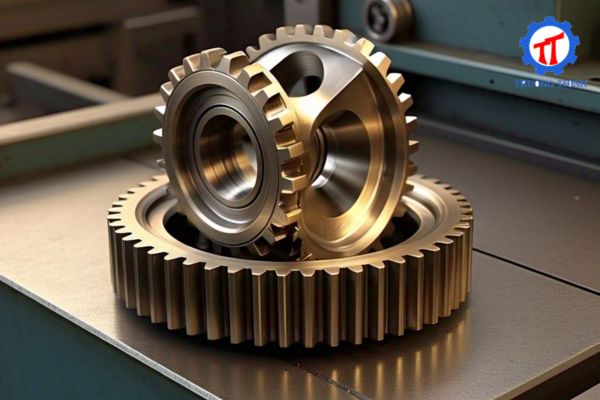
Automotive and Motorcycle Industries: Manufacturing shafts, gears, engine components, transmission parts, and assembly components.
-
Electrical and Electronics Industries: Producing equipment enclosures, protective frames, metal components, mounting brackets, and connecting parts.
-
Machinery Manufacturing Industry: Manufacturing molds, machine shafts, fixtures, transmission components, and replacement parts.
-
Construction Industry: Producing base plates, structural frames, connecting accessories, and metal components used in construction projects.
-
Industrial Equipment Industry: Precision machining of components, machinery parts, and products requiring assembly according to specific technical specifications.
How to Choose a Suitable Precision Machining Workshop
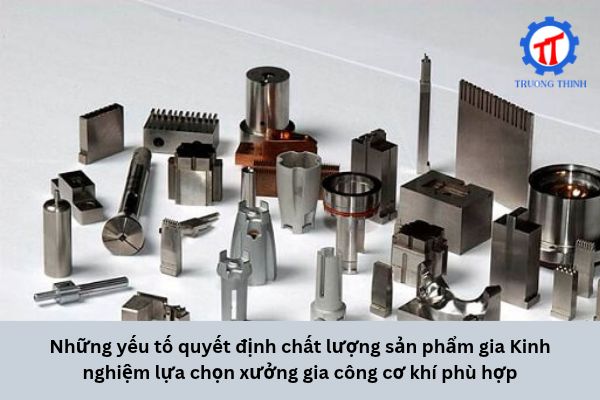
Before placing an order, businesses should carefully evaluate the manufacturing capabilities of a machining service provider rather than focusing solely on the quoted price. A workshop with experience, suitable machinery, and a clear working process can help minimize potential risks during cooperation.
First, businesses should check whether the workshop's equipment meets the technical requirements of their products. Next, they should review previously completed projects, the workshop's ability to interpret technical drawings, and its quality control procedures.
In addition, quotations should clearly specify materials, quantities, machining methods, completion schedules, and any additional requirements. This allows businesses to estimate budgets more accurately, manage production schedules effectively, and avoid unnecessary expenses.
Conclusion
Precision mechanical engineering is an essential foundation of modern industrial manufacturing, contributing to the production of highly accurate, reliable, and versatile components. Choosing the right machining partner helps businesses optimize costs while maintaining product quality and delivery schedules. Contact Cơ Khí Trường Thịnh today for professional consultation and suitable manufacturing solutions.
Cơ Khí Trường Thịnh – Company Information
-
Hotline: Mr. Hưng: 0936.988.978 – Mrs. Tâm: 0904.488.455 – 0225.627.79.97
-
Workshop Address: Zone C, No. 57 Km5, Lam San, So Dau Ward, Hong Bang District, Hai Phong, Vietnam.
-
Website: Cơ Khí Trường Thịnh